Binoid Review: A Comprehensive Guide to Premium CBD and Delta-8 Products

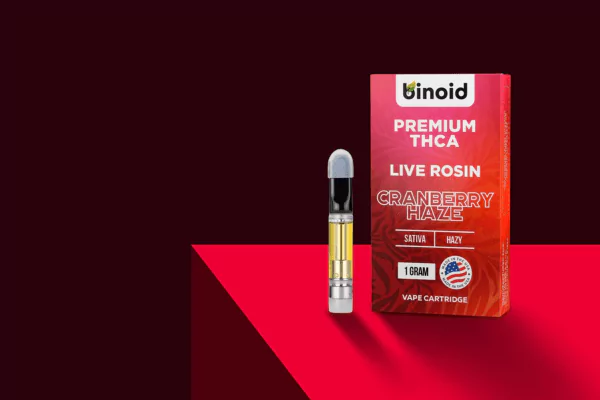
The cannabis and hemp industry has grown exponentially over the years, with countless brands emerging to cater to the increasing demand for high-quality hemp-derived products. One brand that has consistently stood out from the rest is Binoid. Known for its premium CBD, Delta-8 THC, THC-O, HHC, and THCP products, Binoid has built a strong reputation among cannabis enthusiasts and health-conscious consumers. In this detailed review, we’ll explore why Binoid is a top-tier brand, its best-selling products, and what makes it a trusted name in the industry. About Binoid: A Leader in Hemp Innovation Why Binoid Stands Out Top-Selling Binoid Products: A Breakdown 1. Delta-8 THC Gummies Binoid’s Delta-8 THC Gummies are among the most popular products in their lineup. They provide a smooth, mild high that users love, along with various delicious flavors. Each gummy contains a precise dose of Delta-8 THC, making them a convenient and discreet way to enjoy cannabis benefits without smoking or vaping. 2. THC-O Vape Cartridges THC-O is a powerful cannabinoid known for its potent and psychedelic-like effects. Binoid’s THC-O vape cartridges are crafted with high-quality ingredients and available in multiple strains. These vapes provide an elevated and long-lasting cannabis experience, making them a favorite among advanced users. 3. CBD Tinctures and Softgels For those looking for non-psychoactive relief, Binoid offers full-spectrum and broad-spectrum CBD tinctures and softgels. These products help with anxiety, stress, inflammation, and pain management, providing an easy and effective way to consume CBD daily. 4. HHC and THCP Products Binoid is one of the pioneers in offering HHC and THCP products, which provide stronger and longer-lasting effects than traditional cannabinoids. HHC offers a smooth, balanced high similar to Delta-9 THC, while THCP is one of the most potent cannabinoids available, delivering an intense euphoric experience. Customer Reviews & Testimonials Binoid has received thousands of positive reviews from satisfied customers. Users praise the brand for its potency, consistency, and top-tier customer service. Many customers highlight the smooth and balanced effects of the Delta-8 THC gummies, while others rave about the powerful and euphoric experience of THC-O vapes. The general consensus is that Binoid delivers high-quality, effective, and trustworthy hemp products. Is Binoid Worth It? Our Final Verdict Absolutely! Binoid has cemented itself as one of the most trusted brands in the hemp industry. Whether you are a beginner or an experienced user, Binoid’s wide selection of high-quality, lab-tested products ensures there is something for everyone. The brand’s focus on innovation, customer satisfaction, and safety makes it a top choice for anyone exploring hemp-derived cannabinoids. Where to Buy Binoid Products? The best place to purchase Binoid products is directly from their official website. This ensures you get authentic products, exclusive deals, and the latest product releases.

Read More

Benefits Of Intra Workout Supplements On Performance in 2023

Intra workout supplements can be beneficial to help maximize your performance. In this article you’ll learn about their benefits, and what ingredients you need to power your performance. When it comes to supplements, finding which one and the type of products to help optimize your performance and training can be challenging. One type of supplement you may be wondering about, is intra workout supplements. As the name aptly implies, intra workout supplements are made to be used during your workout, for the specific purposes of providing fuel for your workout, to help improve endurance, workout volume, muscle maintenance, and hydration while you’re training. We’re going to talk more about intra workout supplements, their benefits, and what ingredients you need to power your performance. What Are Intra Workout Supplements? Intra workout supplements are specific sports performance nutrition products made to help power your training while you work out. Intra workout supplements can come in a wide variety of different forms, either with essential amino acids (EAA), branched-chain amino acids (BCAA), electrolytes, carbohydrates, and endurance-enhancing ingredients. Intra workout supplements can be extremely beneficial to help boost endurance and provide fuel for long-lasting training and prolonged bouts of exercise. Athletes who train for several hours in the gym, on the track, or on the pavement, need to keep their energy levels, focus, and hydration optimized at all times to maximize their training capacity and output. That’s where intra workout supplements can benefit performance the most. Intra Workout Ingredients The majority of intra workout supplements contain fast-acting carbohydrates, essential amino acids, and electrolytes. For example, Swolverine’s Intra Workout contains: Essential Amino Acids (EAA) Amino acids are the building blocks of protein and are vital to human health. Essential amino acids (EAA) stimulate muscle protein synthesis and work by creating new protein cells for muscle size, growth, and recovery. Your body needs 20 amino acids for proper biological function, however, only 9 are considered essential. These are histidine, isoleucine, leucine, lysine, methionine, phenylalanine, threonine, tryptophan, and valine. Your body cannot make essential amino acids, hence why they are considered “essential.” EAAs must be obtained from dietary supplements or from the food in your diet. A large body of evidence shows that EAAs can improve athletic performance, delay muscle and mental fatigue, and enhance muscle recovery. A systematic review, including 4274 patients across thirty-nine randomized controlled trials found that EAAs improve muscle strength, physical function, and fatigue.1 Intra Workout Supplements Carbohydrates Carbohydrates are the main source of energy for your body. Carbohydrates provide glucose to feed your muscles with prolonged endurance capacity, better athletic performance as well as improved cognitive performance and processing. When it comes to training, carbohydrates are needed to help build more muscle mass, improve recovery times, and replenish glycogen for optimal energy output. Carbohydrate supplements are often created for the purpose of muscle recovery and providing more energy, intra workout. Fast-absorbing carbohydrate supplements like maltodextrins and dextrose, are specifically made for endurance athletes, triathletes, crossfitters, or those participating in high-intensity functional training protocols. The average gym goer will not necessarily need fast-acting carbs and can easily get those dietary sources and food. Muscle glycogen is a major determinant of endurance exercise capacity and recovery. Intra-workout carbs can help with glycogen resynthesis or reloading your body with efficient glycogen stores. Carbs can also help initiate muscle protein synthesis, and produce energy intra or pre-workout for better endurance and prolonged exercise capacity. Carbohydrates are also a great source of macronutrients to help with intra-workout energy and endurance. Swolverine’s Clean Carbs for example is made from real food and contains sweet potatoes, yams, oats, and blueberries to help provide glycogen for long-lasting energy and endurance. Unlike fast-acting carbs, this product can help with body optimization, energy levels, and recovery without the unnecessary added sugar from dextrose or maltodextrin. Antioxidants And Vitamins Nutrient dense ingredients, such as spirulina, tart cherry, and pomegranate, are rich with antioxidants and anti-inflammatory properties, in addition to nitrates. Antioxidants have been proven to reduce muscle damage and inhibit muscle mass breakdown due to their protective effects from eradicating oxidative stress. In a systematic review, conducted by Cambridge University, eleven studies were identified that examined the effects of pomegranate intake on exercise performance exercise-induced muscle fatigue, soreness, muscle damage, oxidative stress, inflammation, and cardiovascular function. Identified studies investigated the effects on several training modalities including; running, cycling, weightlifting, and endurance training. The review concluded that pomegranate has the potential to enhance endurance, and strength performance, and improve post-workout recovery by conferring antioxidant and anti-inflammatory effects and improving cardiovascular responses during and following exercise.2 Additionally, A study published in the journal Plos One, investigated the effects of pomegranate supplementation on recovery, muscle damage, and soreness following Olympic weightlifting training and concluded that pomegranate ingestion 60 minutes before training, improved total workload by 8.3%, maximal load lifted by 3.26% and cut down DOMS by 13.4% 48 hours post-workout.3 Intra workout supplements will often contain b-vitamins and ingredients for mental focus and energy such as Panax Ginseng which can help with prolonged endurance capacity and athletic performance. Mental focus is crucial during prolonged endurance activity and resistance training to help push maximum training capacity. Close up shot of strong female athlete drinking out of her shaker bottle in the gym. Benefits of Intra Workout Supplements Electrolytes are vitamins and minerals that conduct electrical activity within the body. Electrolytes help you perform mechanical functions, such as muscle contraction and relaxation, which are essential for daily and athletic performance. With just a 1-2% reduction in body weight from fluid loss alone, athletic performance will significantly decrease while perceived exertion increases. In a typical workout, you can lose anywhere from 2-6% of your body’s water weight just by sweating. Now imagine how much fluid you lose when you’re really pushing your limits. The loss of water and electrolytes, coupled with not replenishing them affects recovery times, oxygen levels, and nutrient delivery contributing to muscle wasting and poor waste recycling from the bloodstream. Electrolytes such as magnesium, potassium,…

Read More

How to Lose Belly Fat: Tips, Tricks, and Myths Debunked

Belly fat, or visceral fat, is one of the most stubborn areas to lose weight from. Excessive belly fat not only impacts your appearance but also puts you at risk of various health issues such as heart disease, type 2 diabetes, and high blood pressure. Losing belly fat can be a challenge, but it is not impossible. In this article, we will discuss effective ways to lose belly fat, debunk common myths about belly fat, and provide helpful tips to achieve your weight loss goals. What is Belly Fat? Belly fat is the type of fat that is stored around your abdomen, specifically around your internal organs such as the liver, pancreas, and intestines. Unlike subcutaneous fat, which is located directly under the skin, visceral fat cannot be pinched or grabbed. It is an active tissue that releases hormones and inflammatory substances, increasing your risk of chronic diseases. The amount of belly fat you have is often determined by your genetics, age, sex, and lifestyle. The Importance of Losing Belly Fat Losing belly fat is crucial for improving your overall health and reducing the risk of chronic diseases. Visceral fat is linked to insulin resistance, inflammation, and metabolic syndrome, which are risk factors for type 2 diabetes and heart disease. Additionally, carrying excess weight around your midsection can lead to poor posture, back pain, and reduced mobility. Shedding belly fat can help you feel more confident, improve your physical abilities, and enhance your quality of life. Myth vs. Reality: Debunking Common Misconceptions About Belly Fat There are several misconceptions about belly fat that can make weight loss seem more complicated than it needs to be. Here are some myths debunked: Myth: Targeted Exercise Reduces Belly Fat The reality is that spot reduction is not possible. Doing crunches or sit-ups will not magically eliminate belly fat. While exercises that target the abdominal muscles can strengthen and tone them, they will not burn significant amounts of fat. The key to losing belly fat is to engage in exercises that burn overall body fat, such as cardiovascular exercise and strength training. Myth: Dieting is the Only Way to Lose Belly Fat While diet plays a crucial role in losing weight, it is not the only factor. Engaging in regular physical activity and getting enough sleep is just as important for losing belly fat. In fact, combining healthy eating habits with exercise is the most effective way to reduce belly fat. Myth: Fat-Burning Supplements are Effective for Losing Belly Fat Fat-burning supplements, such as green tea extract and garcinia cambogia, are often marketed as effective solutions for losing belly fat. However, there is limited scientific evidence to support their effectiveness. Moreover, these supplements may have side effects and can interact with other medications. Therefore, it is best to consult a healthcare professional before taking any supplements for weight loss. Losing belly fat requires a combination of healthy eating habits, regular physical activity, and lifestyle changes. Here are some effective strategies to help you lose belly fat: Cardiovascular Exercise Engaging in cardiovascular exercises, such as running, cycling, or swimming, can help burn calories and reduce overall body fat, including belly fat. Aim for at least 30 minutes of moderate-intensity aerobic exercise per day, five days a week. You can gradually increase the duration and intensity of your workouts as you become fitter. Strength Training Incorporating strength training exercises, such as weightlifting or bodyweight exercises, can help build muscle mass and boost your metabolism. This can help you burn more calories and fat, even at rest. Aim for two to three strength training sessions per week, targeting all major muscle groups. Healthy Eating Habits Adopting healthy eating habits is crucial for losing belly fat. Focus on eating a diet rich in whole, nutrient-dense foods such as fruits, vegetables, whole grains, lean protein, and healthy fats. Avoid processed foods, added sugars, and saturated and trans fats. Monitor your portion sizes and aim to eat slowly, savoring each bite. Adequate Sleep Getting enough sleep is essential for overall health and weight management. Chronic sleep deprivation can disrupt your hormones, leading to increased appetite, cravings, and weight gain, including belly fat. Aim for at least seven to eight hours of quality sleep per night. Reduce Stress Chronic stress can lead to increased cortisol levels, which can cause the body to store excess fat, including belly fat. Incorporate stress-reducing activities into your daily routine, such as meditation, yoga, deep breathing, or taking a relaxing bath. Tips for Losing Belly Fat In addition to the strategies mentioned above, here are some helpful tips for losing belly fat: Drink Plenty of Water Drinking plenty of water can help keep you hydrated and reduce your appetite. Aim for at least eight glasses of water per day. Eat More Fiber Fiber-rich foods, such as fruits, vegetables, whole grains, and legumes, can help keep you full and reduce your calorie intake. Aim for at least 25-30 grams of fiber per day. Avoid Processed Foods and Sugar Processed foods and added sugars can contribute to belly fat accumulation. Try to limit your intake of processed foods and added sugars, opting for whole, unprocessed foods instead. Incorporate Protein in Your Diet Protein can help increase satiety, reduce cravings, and boost your metabolism. Aim for at least 20-30 grams of protein per meal, including lean protein sources such as chicken, fish, tofu, or legumes. Cut Back on Alcohol Alcohol consumption can contribute to belly fat accumulation, as it is high in empty calories and can disrupt your metabolism. Try to limit your alcohol intake or avoid it altogether. Conclusion Losing belly fat can be a challenging but achievable goal. By incorporating healthy eating habits, regular physical activity, and lifestyle changes, you can reduce belly fat, improve your overall health, and enhance your quality of life. Remember to be patient and consistent, and always consult a healthcare professional before starting any new exercise or diet regimen.

Read More

Unlocking the best of Fitness Supplements 2023: Your Ultimate Guide

Learn about the best fitness supplements on the market today with our comprehensive guide. Discover how to maximize your workouts, build lean muscle, and reach your fitness goals faster than ever before. Are you struggling to reach your fitness goals? Maybe you’re looking to build lean muscle or burn stubborn fat, but you’re not seeing the results you want. It’s time to unlock the power of fitness supplements. In this article, we’ll explore the best supplements on the market today and how they can help you achieve your fitness gaols. The Importance of Fitness Supplements for Your Workout Routine What Are Fitness Supplements? Fitness supplements are nutritional supplements designed to help you achieve your fitness goals. They can come in the form of pills, powders, or drinks and are made from natural ingredients that can help boost your performance and recovery. The Benefits of Fitness Supplements Here are just a few of the benefits of using fitness supplements: The Best Fitness Supplements on the Market Today In addition to supplements for muscle building and performance, there are also supplements available to aid in fat loss. These supplements can help boost your metabolism, reduce your appetite, and increase your energy levels, all of which can help you burn more fat and reach your weight loss goals. It’s important to note that while these supplements can be helpful for fat loss, they should not be relied upon as a sole method for weight loss. A healthy diet and regular exercise are still the most important factors in achieving sustainable weight loss. In conclusion, fitness supplements can be a great way to enhance your performance, aid in muscle building and fat loss, and help you reach your fitness goals faster than ever before. Just be sure to do your research and consult with a healthcare professional before starting any new supplement regimen. With the right supplements and a consistent workout routine, you’ll be on your way to achieving the body you’ve always wanted. Supplements for Overall Health and Wellness Finally, there are supplements available that can promote overall health and wellness. These supplements can help boost your immune system, improve digestion, and provide essential nutrients that your body may be lacking. Supplements for overall health and wellness are a great way to support your body and ensure that you’re getting all the essential nutrients you need. As always, consult with a healthcare professional before starting any new supplement regimen. FAQs About Fitness Supplements Do I need to take supplements to see results? No, you don’t need to take supplements to see results. A healthy diet and consistent exercise routine are the most important factors in achieving your fitness goals. However, supplements can help enhance your performance and recovery. When is the best time to take supplements? The best time to take supplements can vary depending on the supplement. For example, pre-workout supplements are best taken 30 minutes to an hour before your workout, while protein powder is best taken within 30 minutes of finishing your workout. Conclusion If you’re looking to take your fitness routine to the next level, incorporating fitness supplements into your regimen can be a great way to enhance your performance and recovery. From creatine to protein powder, there are a wide variety of supplements on the market today that can help you reach your fitness goals faster than ever before. Just remember to consult with a healthcare professional before starting any new supplement regimen and always follow the manufacturer’s instructions for use.

Read More

12 Gym Terms Everybody Needs to Know: A Comprehensive Guide for Fitness Enthusiasts

Whether you’re a beginner or a seasoned fitness enthusiast, understanding these 12 gym terms is essential for achieving your fitness goals. In this comprehensive guide, we break down each term and explain its significance in your workout routine. Being a beginner in an unfamiliar setting can be intimidating at first. It can also be confusing. If you hear people in a gym throwing around words you don’t know, and you don’t feel comfortable asking what they mean, it could be even more frustrating. Fortunately, M&S has you covered. A while back we released a gym glossary with some definitions that can help you learn the training language. Here, we provide even more terms and phrases that can help you lifting rookies know what we’re talking about. The 12 Gym Terms Everybody Needs to Know When you use the force in your biceps to curl the barbell up, this is the concentric portion of the rep. A lifter can either perform the concentric portion as quickly as possible to maximize power and speed, or it can be performed under control to maximize the tension on the working muscles. It’s also known as the “positive” portion of the rep. It can be performed at the top of a rep when the weight is lifted, or it can be when a muscle is randomly flexed on its own. Need an example? Flex your bicep, right now. Feel that? You just contracted the muscle. The lifter would reduce the weight being used after reaching failure, then perform more reps until failure is reached for a second time. Let’s use the leg press as an example here. If you’re pressing 500 pounds, and you reach failure after 10 reps, you could reduce the weight by 100 pounds or so, then get back into position and perform more reps. The weight that is reduced is up to the lifter or trainer. There’s no standard number or percentage. If the weight is dropped twice in one set, it’s known as a “double drop set.” These should always be performed under control for two reasons. First, performing eccentrics too quickly can cause potential injuries. Second, the eccentric phase is actually when the muscle is at its strongest, so you can train them more effectively by taking time to go from a contracted position to its starting point. The longer you perform the eccentric, the more challenging it becomes. Some programs call for five to ten-second eccentrics, also known as “negatives.” If you were to perform the bench press for three sets of 10 reps, then you would add weight to each set, even though the reps remain the same. This means the first two sets wouldn’t be performed to failure. The first set of 135 pounds may be easy, followed by a more challenging set with 155 pounds. Neither set provided a maximum challenge. Then, you add 30 more pounds to the bar to make it 185, and 10 reps are all you get. You’ve now reached failure by progressive overload. Progressive overload can also be applied to reps and minutes performed on cardio. If you see a training log or program with this, then it likely means that you shouldn’t perform that set to failure. For example, if you’re performing seated dumbbell curls, and your log reads “10 reps, 2 RIR,” then you should perform the set until you can do 2 more reps, but you stop at that point. So, you want to choose a weight that you can do for 12 reps. If that would be 30 pounds, then you would grab the 30’s and stop at 10 reps. Instead of focusing on the weight, you pay attention to the effort you’re giving based on a scale of 1-10. If you were to perform squats for 4 reps with an RPE of 8, then you load weight that would require 80% of your effort to lift for 4 reps. If the RPE is 10, then obviously you would go to complete failure. RPE of 5 is pretty much warming up. The lifter would perform reps until failure is reached. After a 10-15 second rest, the lifter performs more reps with the same weight until failure is reached a second time. If you were to perform seated rows with 150 pounds for 10 reps, then you would stop after the 10th rep, count to 10 or 15, then continue. You shouldn’t get more than five reps or so after that short rest. If you can, then either you didn’t really train to failure, or you should use a heavier weight. gym terms You have visible striations and the muscles can be seen very clearly. Bodybuilders and fitness people love hearing this. Other synonyms include “ripped,” sliced,” “diced,” and “cut,” While the compliment is usually welcomed with open ears, be warned. If you don’t have abs, you ain’t shredded. If you’ve performed planks or squats in the bottom position for extended periods of time, then you’ve performed static holds. This is a great way to warm-up at the beginning of a session. Another static hold can be performed at the end of a set. Let’s use the incline dumbbell press as the example. You’ve reached the last rep you can perform. If you try again, then the weight won’t go up. Instead, hold the weight at the top and squeeze the chest as hard as you can for as long as you can. Bodybuilders use this method because they believe it will add density and thickness to the muscles being worked. A trust sees that and raises you one. Performing three exercises in a row will be an intense challenge. These are best performed with movements or machines that don’t require much travel or transition time. If you try to work on opposite ends of the gym at the same time, someone may jump in your machine when you’re not using it. One great way to perform trisects is with dumbbells. A popular shoulder grouping is…

Read More

5 Potent L-Glutamine Advantages You’re Ignoring

Are you taking advantage of the benefits of l-glutamine? Check out the top 5 benefits of l-glutamine and why this supplement should be in your post-workout shake! Glutamine could be one of, if not the most underrated and undervalued supplements when it comes to improving your health, wellness, and athletic performance. Compared to other sports nutrition products, glutamine may not directly influence athletic performance outcomes such as speed, strength, and rep volume. What it does do, however, is keep your body working like a well-oiled machine. Studies prove that l-glutamine benefits your immune system health, digestive health, and accelerates the recovery process. In fact, glutamine could be the best supplement for post-workout muscle recovery ever created. What Is L-Glutamine? L-glutamine is what’s known as a conditionally essential amino acid. Conditional meaning that in certain conditions, it becomes essential to supplement or obtain from dietary sources. Your body naturally produces glutamine, yet in times of severe physical stress or trauma, such as prolonged workout durations, and high-intensity training, glutamine stores may become depleted, making it necessary to replenish and restore through supplementation. Of the twenty amino acids, l-glutamine is objectively the most abundant and naturally occurring amino acid in the human body, constructing nearly 60% of the amino acid pool in your muscle tissue. Like other essential amino acids, yet unlike non-essential amino acids naturally produced by the body, l-glutamine can cross the blood-brain barrier, giving it the ability to freely enter the brain, making it vital in the process of nitrogen transport, acid-base regulation, gluconeogenesis, while also working as a precursor of nucleotide bases and the antioxidant glutathione. 5 Benefits of L-Glutamine L-Glutamine plays a vital role in helping your muscles rebuild and repair themselves, to prevent muscle soreness and aid in faster muscle recovery. L-Glutamine inhibits muscle mass breakdown and improves protein metabolism, thus improving exercise-induced muscle soreness. Studies have shown that the anti-catabolism (protection against break down) effects of glutamine have a direct effect on reducing soreness ratings associated with resistance training, due to improving muscle tissue repair, theoretically putting your body back into an anabolic state. In a randomized, double-blind controlled study conducted by the School of Health and Human Performance, at Dalhousie University, 16 healthy participants were either administered a placebo or 0.3 grams of l-glutamine per kg of body weight every day for a 72-hour period after an eccentric exercise involving knee extensions. The study concluded that l-glutamine supplementation resulted in faster recovery of peak torque and diminished muscle soreness with lower soreness rating post-workout after a three-day period.1 Remember when I said that in certain conditions glutamine can become essential? Well, during high intensity or prolonged training periods, your body will utilize and deplete your glutamine stores, which will inhibit its function, decreasing strength, stamina, and extending the recovery process. Supplementing with glutamine post workout will ensure that you properly restore glutamine levels to help better rebuild and repair muscle tissue and improve your recovery times. Studies have shown that glutamine works best when combined with branched chain amino acids, to help restore and replenish amino acid balance, to improve recovery and rebuild muscle mass. A randomized controlled trial published by the International Journal of Clinical Pharmacology and Therapeutics, examined the effects of glutamine supplementation and immune system function during heavy weight resistance training. 24 athletes were administered 10g of glutamine per day for six weeks while and assigned either to a control or experimental group. Immune system function was assessed using specific immunity markers as well as T-cell counts. The results found that T-cell ratings (white blood cells that help mediate immune health) were extremely different between the groups, indicating a positive correlation that glutamine supplementation may be able to restore immune function and reduce the immunosuppressive effects of heavy resistance training in athletes.2 In a double-blind, randomized control trial, published in the leading international gastroenterology journal, 115 patients were administered 15g of l-glutamine or a placebo for 8 weeks. Increased intestinal permeability was defined as meeting a reduction of greater or equal to 50 points on the IBS Symptom Severity Scale. Secondary endpoints included changes in daily bowel movement frequency, stool form as measured by the Bristol Stool Scale, and intestinal permeability. The results were extremely impressive with nearly 80% of the glutamine group achieving their primary endpoint. glutamine also significantly reduced daily bowel movement frequency (3 vs. 5) and Bristol Stool Scale scores (4 vs. 6.5) and normalized intestinal permeability.4 Metabolically stressed individuals such as those with inflammatory bowel disease have an increased demand for glutamine, making supplementation critical in maintaining intestinal homeostasis. According to the GI Society Of Intestinal Research in both healthy and stressed individuals, glutamine is a fuel source for cells in the small intestine and large bowel. It is the preferred fuel source by the gut and is necessary for the maintenance of gut villi, therefore, preventing bacteria from entering the small intestine or bowel wall. Evidence shows that patients with IBD may benefit greatly from supplementing with glutamine. Studies have shown that BCAAs combined with l-glutamine may optimize muscle protein synthesis and reduce muscle mass breakdown, thus improving strength gains and increasing lean muscle mass. Evidence suggests that there is a direct correlation between glutamine and branched-chain amino acids and the process of protein metabolism. BCAAs are a major nitrogen source, and since glutamine controls nitrogen balance, glutamine acts as a catalyst for muscle tissue development.5 Recent research demonstrates that glutamine promotes rehydration by enhancing electrolyte and water absorption, due to its ability in rebuilding intestinal lining, reducing hyperpermeability. In a study published in the Journal of the International Society of Sports Nutrition, ten male subjects were administered 0.3g of l-glutamine or a placebo to examine the effects of l-glutamine ingestion on hydration during endurance exercise. The results found that time to exhaustion was significantly reduced and performance levels were significantly improved with higher concentrations of l-glutamine. L-Glutamine uptake by the skeletal muscles resulted in greater sodium uptake. The enhanced sodium uptake by skeletal muscle…

Read More

5 Quick muscle-building Breakfast Ideas

Quit overthinking your muscle-building breakfast and try these 5 easy recipes that were designed to deliver a whopping dose of protein while still pleasing your taste buds. Do you bang your head against the wall trying to figure out the best ways to squeeze in a muscle-building breakfast without having a significant amount of time? It’s tough to find ways to support recovery from your brutal workouts with little-to-no time in the mornings for lengthy prepping, cooking, and cleaning. Crappy, so-called convenience health foods have flooded the market promising you endless energy and high amounts of protein. In reality, these foods rarely provide a protein count in the double digits and leave you feeling hungry. If you aren’t careful you’ll find yourself hitting the vending machine or choosing other unhealthy options which will wreak havoc on your physique. Best Easy Muscle-Building Breakfast Below are 5 fast muscle-building breakfast options to help you build muscle, feel fuller, longer and are easy to prep, eat and enjoy. These recipes are were chosen because they have high protein content, taste good, can be prepared quickly and are good for muscle gain. If you have any muscle-building breakfast favorites please drop them in the comments below! As Greek yogurt only increases in popularity due to its high protein content so do the creative ways to combine it with other healthy, muscle-friendly fare. As a great high-protein morning meal, this will require you to do a little prep the night before. Here you will want to use plain Greek yogurt to keep the sugar count down and either steel-cut or regular whole oats. Combine one cup of yogurt, ½ cup of oats, and a dash of vanilla extract. Let it sit in the refrigerator overnight. In the morning add in your choice of fruit and 1 scoop of vanilla whey protein. Stir and enjoy. You can’t deny the power of the egg. Oftentimes thought of as the gold standard for protein ratings, the egg is not only one of the most complete proteins around it’s also convenient as it gets. Hard-boiled is the way to go when it comes to portability and ease of eating. And contrary to what many would call a big no-no, yes, you can eat yolks in moderation for a myriad of benefits one of which is regulating key anabolic hormones. 3 extra-large eggs and two slices of Ezekiel bread with low-sugar jelly will make one high-powered breakfast! With a ton of press surrounding Greek yogurt these days it’s easy for a power food such as cottage cheese to get lost in the commotion. This simple yet versatile high-protein convenience food needs to reclaim its rightful spot as a top muscle-building contender once again. Simply combine 1 cup of low-fat cottage cheese with your favorite fruit such as peaches, strawberries or apple slices and you’ll have one instant protein source along with fibrous carbs. Of course, you can always combine another carb source along with this such as a slice or two of Ezekiel bread, 100% whole wheat bread or a small bowl of oats If you have just a few more minutes to spare and can whip up some scrambled eggs then you can create a great-tasting breakfast option with a host of flavor and health benefits. This one is for the lower-carb dieters out there looking to feel full without the added calories. Scramble 3 extra-large eggs and add in ¼ cup of low-fat shredded cheese and some of your favorite vegetables such as spinach, sliced tomatoes, peppers, mushrooms, and/or onions. Add some salt, pepper, and maybe a little salsa for a bit of a kick. Voila, instant muscle food! Muscle-building breakfast If you are the “anti-overthinker” type who just wants to pour everything into the same bowl for convenience and ease this one was catered to you. Packed with long-lasting complex carbs, whey protein, and healthy fats this quick meal covers all your bases. Combine ½ cup of one-minute quick oats (not the packaged kind) with 1 tablespoon of peanut butter, 1 teaspoon of natural sweetener, 1 teaspoon of cinnamon, and ½ cup of low-fat or non-fat milk. After microwaving for 1 minute add 1 scoop of vanilla whey protein powder. Mix and add water for desired thickness.

Read More

3 Options Clean Bulk Diet: For Lean Muscle

Build lean muscle mass without packing on unwanted body fat. This article presents three sample Clean Bulk Diet eating plan options that can help you reach your goals. Brad Borland is a strength & conditioning specialist, cancer survivor, and the founder of WorkoutLab. Back in the 90s, the goal of every wide-eyed future bodybuilder was to bulk up no matter what. Obviously from the looks of things back then no one was concerned with staying lean throughout this perpetual bulking period. What resulted was a lot of big, burly, and somewhat fatty guys wearing oversized, baggy pants and shirts never to be seen poolside. Boy, have times changed! The goal today is still to build muscle and reshape our bodies, but now we want to be lean, shredded, ripped, and generally in good shape athletically as well. We want to be able to take our shirts off at the pool and beach, we want to possess a muscular body and most of all we want to be comfortable in our own skin. Another trend regarding searching for a diet is the school of thought seems to be split into two camps. One is to get completely shredded as possible while sacrificing some of that hard-earned muscle of yours and the other is to bulk up while putting on a little fat which tends to blur your efforts. Clean Bulk Diet Well, it doesn’t have to be this way. You can build lean muscle without packing on the unwanted pounds. All it takes is a disciplined adherence to your training and diet plan and proper rest and recovery. All of these factors will work synergistically with each other to produce your ideal result – a leaner, more muscular physique. Below are three options for lean bulking eating plans. All are designed to build lean muscle tissue without blurring your muscular lines. They contain just the right amount of proteins, carbs, and healthy fats to keep the gains coming without any extra baggage. This is, of course, also presuming that you are already committed to a sound body-building-style training program, one that is intense and doesn’t include an extreme amount of endurance exercise. A few points to consider: Clean Bulk Diet Clean Bulk Option 1 Clean Bulk Diet Option 2 Clean Bulk Diet Option 3

Read More

Strength and Muscle Building 2025: The Best Exercises and Tips for Maximum Results

If you’re looking to build strength and muscle mass, you may be wondering what the best exercises are to incorporate into your routine. Whether you’re a beginner or a seasoned gym-goer, there are certain exercises that can help you achieve your goals. In this article, we’ll discuss the best exercises and tips for building strength and muscle mass. Understanding Muscle Growth Before we dive into the exercises and tips, it’s important to understand the basics of muscle growth. When you engage in resistance training, whether it’s lifting weights or using your own body weight, you’re creating micro-tears in your muscle fibers. These micro-tears then repair themselves during rest and recovery, leading to an increase in muscle size and strength. Compound Exercises for Strength and Muscle Building Compound exercises are multi-joint movements that work several muscle groups at once. They are an effective way to build overall strength and muscle mass. Some of the best compound exercises include: Isolation Exercises for Targeted Muscle Building In addition to compound exercises, isolation exercises can be incorporated into your routine to target specific muscle groups. Some of the best isolation exercises include: The Importance of Proper Form Regardless of the exercises you choose to incorporate into your routine, it’s important to focus on proper form. Proper form helps to prevent injury and ensures that you’re targeting the correct muscle groups. Before adding weight to your exercises, start with a lighter weight and focus on perfecting your form. Tips for Increasing Intensity and Volume To continue seeing progress in your strength and muscle building journey, it’s important to progressively increase the intensity and volume of your workouts. Here are some tips for doing so: The Role of Nutrition in Muscle Building The role of nutrition in muscle building cannot be overstated. Without proper nutrition, your muscles won’t have the necessary nutrients to grow and repair themselves after exercise. Here are some tips for fuelling your muscles and supporting muscle growth: In conclusion, building strength and muscle mass requires a combination of proper exercise and nutrition. Incorporate compound and isolation exercises into your routine, focus on proper form, and gradually increase intensity and volume over time. Fuel your muscles with a balanced diet that includes protein, carbohydrates, and healthy fats, and stay hydrated to support muscle growth and overall health. What food makes you strong? Eating a balanced and nutritious diet is essential for building and maintaining strength. Here are some foods that can help make you strong: In conclusion, a balanced diet that includes lean protein, whole grains, fruits and vegetables, nuts and seeds, dairy products, and eggs can help you build and maintain strength. Incorporate these foods into your meals and snacks to fuel your workouts and support your overall health. What diet should I take to increase my body strength? To increase your body’s strength, it’s important to fuel your body with the right nutrients. Here are some dietary tips to help increase your body strength: In conclusion, to increase your body strength, it’s important to consume enough calories, protein, complex carbohydrates, and healthy fats. Stay hydrated and consider incorporating supplements into your diet if needed. A balanced and nutritious diet, along with regular exercise, can help you build strength and achieve your fitness goals. Do you need to eat a lot to gain strength? While it’s important to consume enough calories to support your energy needs when building strength, you don’t necessarily need to eat a lot. The amount of calories you need depends on your age, gender, weight, and activity level. To build strength, you need to provide your body with enough energy and nutrients to support muscle growth and repair. Consuming too few calories can hinder muscle growth and recovery, while consuming too many calories can lead to excess fat gain. Instead of focusing on eating a lot of food, focus on eating nutrient-dense foods that provide your body with the energy and nutrients it needs to build and maintain strength. Lean protein, complex carbohydrates, healthy fats, and plenty of fruits and vegetables should be the foundation of your diet. To determine your daily calorie needs, calculate your basal metabolic rate (BMR) and add in the calories burned through your daily activities and workouts. This will give you an idea of how many calories you need to consume to maintain your weight. To gain weight, aim to consume slightly more calories than you burn each day. In conclusion, you don’t necessarily need to eat a lot to gain strength, but you do need to consume enough calories to support your energy needs and muscle growth. Focus on nutrient-dense foods and calculate your daily calorie needs to ensure you’re providing your body with the right amount of energy and nutrients to support your goals. What’s the most efficient way to build muscle strength? Building muscle strength is a process that requires consistency and dedication. Here are some of the most efficient ways to build muscle strength: In conclusion, the most efficient way to build muscle strength is to focus on resistance training, incorporate progressive overload, use proper form, prioritize recovery, consume a nutritious diet, and maintain consistency over time. With dedication and consistency, you can build strength and achieve your fitness goals. What are common muscle building mistakes that one should avoid? Building muscle requires hard work, dedication, and attention to detail. Here are some common muscle building mistakes that one should avoid: In conclusion, avoiding these common muscle-building mistakes can help you achieve your fitness goals and make progress towards building the physique you desire. Focus on proper form, variety, sleep, nutrition, challenge, small muscle groups, and rest to optimize your muscle building results. In conclusion, building muscle and increasing strength requires hard work, dedication, and attention to detail. By avoiding common mistakes and focusing on proper form, nutrition, challenge, and rest, you can achieve your fitness goals and make progress towards building the physique you desire. Here are a few additional tips to keep in mind: Remember, building…

Read More

5 Crucial Tips For Shedding Belly Fat

Learn the 5 essential tips to lose belly fat and achieve your dream body. Discover easy ways to shed those extra pounds and improve your overall health. Targeting belly fat is difficult, but these personal trainers help us succeed. Five out of ten people will likely mention losing belly fat when asked about their health and fitness objectives. However, losing belly fat has much more benefits than just improving your appearance. A serious threat to your health is belly fat. After all, the fat in your middle accumulates around your internal organs rather than just sitting on the surface. It also doesn’t remain motionless. Belly fat causes the immune system’s release of chemicals known as cytokines, which can raise the risk of diabetes, some types of cancer, and cardiovascular disease. For instance, according to a study from Oxford, each additional inch of belly fat raises a person’s relative risk of heart failure by 11%. The first step in reducing belly fat is realizing that you cannot spot-target fat loss on particular body parts. The only way to reduce belly fat is to reduce body fat overall through proper nutrition and exercise. However, there are ways to modify your diet and exercise program to be more (or should we say less?) friendly to belly fat. The most important thing is to not view getting rid of belly fat as a quick fix. You must find exercise and dietary routines that you can maintain, incorporate into your daily life, and, dare we say, even enjoy if you want to succeed in this lifelong battle. Tip #1: Reduce calorie intake The first step to losing belly fat is to reduce your overall calorie intake. When you consume fewer calories than your body needs to maintain its weight, it starts burning fat for energy. While it’s important to make sure you’re still getting enough nutrients, reducing your calorie intake can be an effective way to kick-start weight loss. To reduce your calorie intake, start by tracking what you eat for a few days. This will help you identify areas where you may be consuming too many calories. Then, aim to cut your daily intake by 500-1000 calories per day. This should result in a weight loss of 1-2 pounds per week, which is a safe and sustainable rate. Tip #2: Increase fiber intake In addition to reducing your calorie intake, you should also focus on increasing your fiber intake. Fiber is an indigestible carbohydrate that can help you feel full and satisfied, which can reduce the amount of food you eat overall. Additionally, some types of fiber can help regulate your blood sugar levels and reduce inflammation, both of which can contribute to belly fat. To increase your fiber intake, focus on eating more whole, plant-based foods. Fruits, vegetables, whole grains, and legumes are all high in fiber. Aim for at least 25 grams of fiber per day for women and 38 grams per day for men. Tip #3: Exercise regularly Exercise is another important component of losing belly fat. When you exercise, you burn calories and build muscle, both of which can help you lose weight and reduce belly fat. Additionally, exercise has a number of other health benefits, including reducing your risk of heart disease, diabetes, and certain cancers. To get the most benefit from exercise, aim to do a combination of cardio and strength training. Cardio exercises like running, swimming, and cycling can help you burn calories, while strength training exercises like weight lifting and bodyweight exercises can help you build muscle and boost your metabolism. Tip #4: Reduce stress levels Stress can have a significant impact on your weight and overall health. When you experience stress, your body releases cortisol, a hormone that can contribute to belly fat. Additionally, stress can lead to emotional eating and a decreased motivation to exercise. To reduce your stress levels, try incorporating stress-reducing activities into your daily routine. This could include meditation, yoga, deep breathing exercises, or simply taking a walk outside. It’s also important to prioritize self-care and make time for activities you enjoy. Tip #5: Get enough sleep Getting enough sleep is another key factor in losing belly fat. When you don’t get enough sleep, your body produces more ghrelin, a hormone that increases appetite and cravings, and less leptin, a hormone that signals fullness. This can make it more difficult to stick to a healthy diet and can contribute to weight gain, particularly in the belly area. To improve your sleep habits, aim for 7-9 hours of sleep per night. Establish a consistent sleep schedule, avoid caffeine and alcohol before bed, and create a relaxing bedtime routine to help you unwind. FAQs Can spot reduction target belly fat specifically? Spot reduction, or the idea that you can target fat loss in a specific area of your body, is a myth. To lose belly fat, you need to reduce your overall body fat through a combination of diet and exercise. How long does it take to see results? The amount of time it takes to see results will vary depending on your starting point and how consistent you are with your diet and exercise routine. However, with a consistent effort, you can expect to see noticeable changes within a few weeks to a few months. Are there any supplements that can help with belly fat loss? While there are some supplements that claim to help with weight loss, there is no magic pill for losing belly fat. The best way to lose weight and improve your health is through a healthy diet and regular exercise. Can I still eat my favorite foods while trying to lose belly fat? Yes! The key to losing belly fat is to create a calorie deficit, which can be achieved by reducing your overall calorie intake. However, it’s important to focus on nutrient-dense foods and to limit your intake of high-calorie, low-nutrient foods. Is belly fat loss different for men and women? While men and women…

Read More