
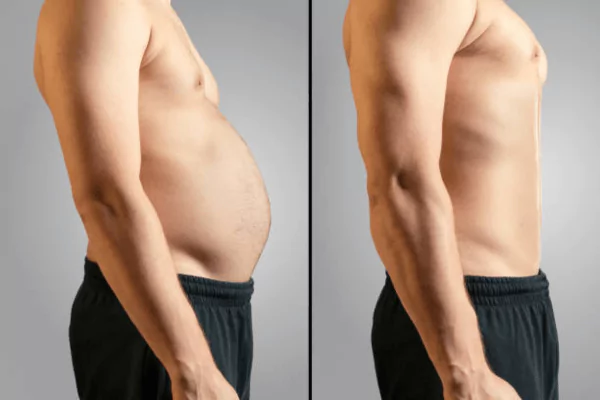
How to Lose Belly Fat: Tips, Tricks, and Myths Debunked

Belly fat, or visceral fat, is one of the most stubborn areas to lose weight from. Excessive belly fat not only impacts your appearance but also puts you at risk of various health issues such as heart disease, type 2 diabetes, and high blood pressure. Losing belly fat can be a challenge, but it is not impossible. In this article, we will discuss effective ways to lose belly fat, debunk common myths about belly fat, and provide helpful tips to achieve your weight loss goals. What is Belly Fat? Belly fat is the type of fat that is stored around your abdomen, specifically around your internal organs such as the liver, pancreas, and intestines. Unlike subcutaneous fat, which is located directly under the skin, visceral fat cannot be pinched or grabbed. It is an active tissue that releases hormones and inflammatory substances, increasing your risk of chronic diseases. The amount of belly fat you have is often determined by your genetics, age, sex, and lifestyle. The Importance of Losing Belly Fat Losing belly fat is crucial for improving your overall health and reducing the risk of chronic diseases. Visceral fat is linked to insulin resistance, inflammation, and metabolic syndrome, which are risk factors for type 2 diabetes and heart disease. Additionally, carrying excess weight around your midsection can lead to poor posture, back pain, and reduced mobility. Shedding belly fat can help you feel more confident, improve your physical abilities, and enhance your quality of life. Myth vs. Reality: Debunking Common Misconceptions About Belly Fat There are several misconceptions about belly fat that can make weight loss seem more complicated than it needs to be. Here are some myths debunked: Myth: Targeted Exercise Reduces Belly Fat The reality is that spot reduction is not possible. Doing crunches or sit-ups will not magically eliminate belly fat. While exercises that target the abdominal muscles can strengthen and tone them, they will not burn significant amounts of fat. The key to losing belly fat is to engage in exercises that burn overall body fat, such as cardiovascular exercise and strength training. Myth: Dieting is the Only Way to Lose Belly Fat While diet plays a crucial role in losing weight, it is not the only factor. Engaging in regular physical activity and getting enough sleep is just as important for losing belly fat. In fact, combining healthy eating habits with exercise is the most effective way to reduce belly fat. Myth: Fat-Burning Supplements are Effective for Losing Belly Fat Fat-burning supplements, such as green tea extract and garcinia cambogia, are often marketed as effective solutions for losing belly fat. However, there is limited scientific evidence to support their effectiveness. Moreover, these supplements may have side effects and can interact with other medications. Therefore, it is best to consult a healthcare professional before taking any supplements for weight loss. Losing belly fat requires a combination of healthy eating habits, regular physical activity, and lifestyle changes. Here are some effective strategies to help you lose belly fat: Cardiovascular Exercise Engaging in cardiovascular exercises, such as running, cycling, or swimming, can help burn calories and reduce overall body fat, including belly fat. Aim for at least 30 minutes of moderate-intensity aerobic exercise per day, five days a week. You can gradually increase the duration and intensity of your workouts as you become fitter. Strength Training Incorporating strength training exercises, such as weightlifting or bodyweight exercises, can help build muscle mass and boost your metabolism. This can help you burn more calories and fat, even at rest. Aim for two to three strength training sessions per week, targeting all major muscle groups. Healthy Eating Habits Adopting healthy eating habits is crucial for losing belly fat. Focus on eating a diet rich in whole, nutrient-dense foods such as fruits, vegetables, whole grains, lean protein, and healthy fats. Avoid processed foods, added sugars, and saturated and trans fats. Monitor your portion sizes and aim to eat slowly, savoring each bite. Adequate Sleep Getting enough sleep is essential for overall health and weight management. Chronic sleep deprivation can disrupt your hormones, leading to increased appetite, cravings, and weight gain, including belly fat. Aim for at least seven to eight hours of quality sleep per night. Reduce Stress Chronic stress can lead to increased cortisol levels, which can cause the body to store excess fat, including belly fat. Incorporate stress-reducing activities into your daily routine, such as meditation, yoga, deep breathing, or taking a relaxing bath. Tips for Losing Belly Fat In addition to the strategies mentioned above, here are some helpful tips for losing belly fat: Drink Plenty of Water Drinking plenty of water can help keep you hydrated and reduce your appetite. Aim for at least eight glasses of water per day. Eat More Fiber Fiber-rich foods, such as fruits, vegetables, whole grains, and legumes, can help keep you full and reduce your calorie intake. Aim for at least 25-30 grams of fiber per day. Avoid Processed Foods and Sugar Processed foods and added sugars can contribute to belly fat accumulation. Try to limit your intake of processed foods and added sugars, opting for whole, unprocessed foods instead. Incorporate Protein in Your Diet Protein can help increase satiety, reduce cravings, and boost your metabolism. Aim for at least 20-30 grams of protein per meal, including lean protein sources such as chicken, fish, tofu, or legumes. Cut Back on Alcohol Alcohol consumption can contribute to belly fat accumulation, as it is high in empty calories and can disrupt your metabolism. Try to limit your alcohol intake or avoid it altogether. Conclusion Losing belly fat can be a challenging but achievable goal. By incorporating healthy eating habits, regular physical activity, and lifestyle changes, you can reduce belly fat, improve your overall health, and enhance your quality of life. Remember to be patient and consistent, and always consult a healthcare professional before starting any new exercise or diet regimen.

Read More

Fat Loss Methods 2025: The Ultimate Guide to Losing Weight

Losing weight can be a difficult and frustrating journey, but it’s essential for our overall health and well-being. With so many different fat loss methods and weight loss programs available, it can be challenging to know which approach is right for you. In this ultimate guide, we will explore 15 proven fat-loss methods that can help you lose weight and keep it off for good. Introduction Losing weight is not an easy task, but it can be done. Many people struggle with weight loss due to a lack of understanding of how their bodies work and the best methods to achieve sustainable weight loss. In this ultimate guide, we will explore 15 different fat-loss methods that have been proven to work. We will also provide insights into the science behind fat loss, and how each of these methods can help you lose weight and keep it off. Understanding Fat Loss Before we dive into the different fat loss methods, it’s essential to understand the science behind fat loss. Our bodies store excess energy in the form of fat, which is used as a source of fuel when we don’t consume enough calories to meet our energy needs. To lose weight, we must create a calorie deficit by consuming fewer calories than we burn through physical activity and daily living. Calorie Deficit: The Key to Fat Loss Creating a calorie deficit is the key to fat loss. This can be achieved by consuming fewer calories, increasing physical activity, or a combination of both. To lose one pound of fat, you need to create a calorie deficit of approximately 3,500 calories. This can be done over a week or a month, depending on your goals and lifestyle. Low-Carb Diets Low-carb diets have gained popularity in recent years and for a good reason. They can be an effective way to lose weight by reducing overall calorie intake and increasing satiety. A low-carb diet typically involves consuming fewer than 100 grams of carbohydrates per day and increasing protein and fat intake. This can help you lose weight by reducing hunger and calorie intake. Intermittent Fasting Intermittent fasting involves alternating periods of eating and fasting. There are different types of intermittent fasting, including the 16/8 method, where you fast for 16 hours and eat during an 8-hour window. Intermittent fasting can be an effective way to reduce overall calorie intake, improve insulin sensitivity, and boost weight loss. High-Protein Diets High-protein diets are an effective way to lose weight by reducing overall calorie intake, increasing satiety, and preserving lean muscle mass. A high-protein diet typically involves consuming 30% or more of total daily calories from protein sources such as lean meats, fish, eggs, and legumes. Low-Fat Diets Low-fat diets have been a popular fat-loss method for decades. They involve reducing overall fat intake to less than 30% of total daily calories. Low-fat diets can be effective for weight loss, but they may not be sustainable in the long term. Plant-Based Diets Plant-based diets have gained popularity in recent years due to their health benefits and sustainability. These diets emphasize whole, plant-based foods, such as fruits, vegetables, legumes, and whole grains, and limit or exclude animal products. Plant-based diets can be an effective way to lose weight, improve overall health, and reduce the risk of chronic diseases. Cardiovascular Exercise Cardiovascular exercise, also known as cardio, is any exercise that raises your heart rate and breathing rate. Cardio is an effective way to burn calories and improve cardiovascular health. Popular forms of cardio include running, cycling, swimming, and dancing. Strength Training Strength training involves lifting weights or using resistance to build and maintain muscle mass. Muscle mass requires more energy to maintain than fat mass, which means that the more muscle you have, the more calories you burn at rest. Strength training can be an effective way to increase metabolism and improve body composition. HIIT (High-Intensity Interval Training) HIIT involves alternating periods of high-intensity exercise with periods of rest or low-intensity exercise. HIIT is an effective way to burn calories and improve cardiovascular health in a shorter amount of time than traditional cardio. Yoga Yoga is a mind-body practice that involves physical postures, breathing exercises, and meditation. Yoga can be an effective way to reduce stress, improve flexibility and strength, and promote mindfulness and self-awareness. While yoga is not a traditional fat-loss method, it can complement other methods by reducing stress and improving overall health. Mindful Eating Mindful eating involves paying attention to the experience of eating, including the taste, texture, and smell of food, as well as hunger and fullness cues. Mindful eating can be an effective way to reduce overeating and improve overall health by promoting a healthier relationship with food. Water Intake Drinking enough water is essential for overall health and weight loss. Water helps flush toxins out of the body, promotes satiety, and can reduce calorie intake by replacing sugary drinks. Sleep and Stress Management Sleep and stress management are often overlooked factors in weight loss. Lack of sleep can disrupt hormones that regulate appetite and metabolism, while chronic stress can lead to overeating and weight gain. Prioritizing sleep and stress management can be an effective way to improve overall health and support sustainable weight loss. Conclusion Losing weight can be a challenging journey, but it’s essential for our overall health and well-being. There are many different fat loss methods and weight loss programs available, but the most effective approach is one that works for your lifestyle and goals. By creating a calorie deficit, incorporating physical activity and strength training, and prioritizing whole, nutrient-dense foods, you can achieve sustainable weight loss and improve your overall health.

Read More